From Runways to Reels: How Talent Agencies Are Rebuilding Their Rosters for the Creator Economy
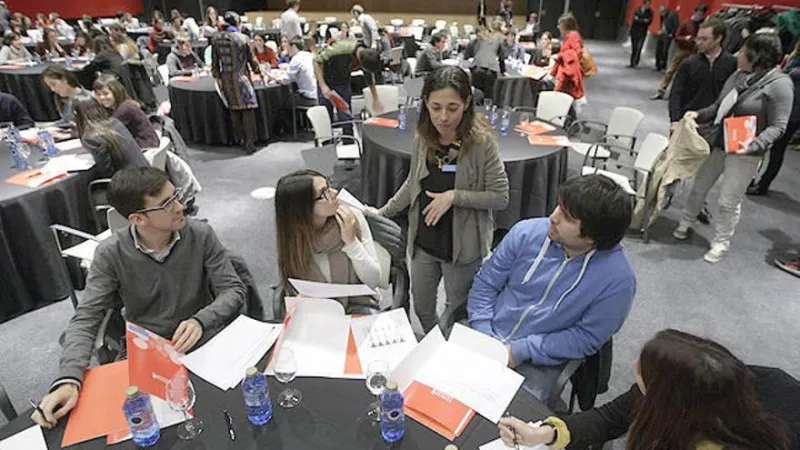
Photo: Bizkaia Talent (government agency), CC BY 4.0, via Wikimedia Commons
The Shifting Architecture of Talent Representation
For decades, the architecture of a talent agency's roster was relatively predictable. Headshots, comp cards, runway credits, and television appearances defined a working model or actor's marketability. Agency directors evaluated talent through a narrow but well-established lens. That lens has since been refracted by the social media era, and the agencies that have adapted most effectively are those that recognized early on that a TikTok account with 85,000 engaged followers can represent as much commercial value as a model with ten years of editorial experience.
The term "micro-influencer" — typically applied to content creators with audiences ranging from 10,000 to 100,000 followers — has moved from marketing jargon into the operational vocabulary of talent representation. Agencies listed in industry directories like Model Database are now fielding inquiries not just from aspiring models seeking runway placements, but from content creators hoping to formalize their brand relationships and secure professional representation for licensing negotiations.
Why Micro-Influencers Have Become Agency Priority
The commercial logic behind this shift is difficult to dispute. Research consistently demonstrates that micro-influencers generate substantially higher engagement rates than macro-level celebrities or accounts with millions of followers. Brands operating across beauty, fashion, fitness, and lifestyle verticals have taken note, redirecting portions of their influencer marketing budgets toward creators whose audiences are smaller but demonstrably more responsive.
For talent agencies, this represents both an opportunity and an operational challenge. Representing a micro-influencer requires an entirely different skill set than booking a model for a print campaign. Agency directors must now understand platform algorithms, content licensing terms, FTC disclosure requirements, usage rights negotiations, and the nuances of performance-based compensation structures — all competencies that fall outside traditional talent representation.
Agencies that have successfully navigated this transition report that the key is building dedicated digital talent divisions rather than attempting to fold creator representation into existing workflows. The commercial modeling division and the creator talent division may share infrastructure, but their day-to-day operations, contract templates, and client relationships function quite differently.
Scouting in the Age of the Algorithm
Perhaps the most visible transformation in agency operations is the evolution of talent scouting. Where scouts once attended fashion weeks, open calls, and local pageants, many agencies now maintain dedicated social media monitoring teams whose primary function is identifying emerging creators before they reach a level of visibility that would make representation negotiations more complicated.
Instagram and TikTok have become the primary scouting grounds, though Pinterest, YouTube Shorts, and even LinkedIn are increasingly relevant depending on an agency's niche focus. Scouts evaluate not just follower counts but content consistency, audience demographics, engagement quality, and a creator's existing brand alignment. A fitness creator whose audience skews 25-to-34-year-old women in major metropolitan areas, for example, represents a very specific and commercially valuable asset to the right agency.
The scouting process has also become more data-intensive. Agencies are investing in analytics platforms that provide deeper insight into a creator's audience authenticity, geographic distribution, and purchasing behavior indicators. This data-driven approach mirrors the due diligence that brands themselves conduct before committing to influencer partnerships, and it positions agencies as more credible intermediaries in those negotiations.
Renegotiating the Commission Structure
The traditional agency commission model — typically 10 to 20 percent of a talent's gross earnings from booked work — does not translate cleanly to creator economy representation. Brand deals, sponsored content agreements, affiliate arrangements, and licensing packages all carry different margin profiles and require different levels of agency involvement.
Many agencies have responded by developing tiered commission structures that vary based on deal type and the level of service the agency provides. A brand deal negotiated entirely by the agency from initial outreach through contract execution might carry a higher commission rate than a deal where the creator sourced the brand relationship independently and the agency served primarily in a contract review capacity.
Some agencies have also introduced retainer-based service models for creators who require ongoing strategic guidance but whose income may be less predictable than that of a model with consistent commercial bookings. These retainer arrangements cover services such as media kit development, brand partnership strategy, contract review, and social media growth consulting.
Helping Creators Navigate Legal and Licensing Complexity
One of the most significant value propositions agencies offer to micro-influencers is expertise in contract negotiation and intellectual property protection. Many creators who have built substantial audiences independently have little formal training in the legal dimensions of their work. They may not fully understand usage rights clauses, exclusivity windows, content ownership provisions, or the implications of signing away licensing rights for extended periods.
Agencies with established legal relationships — either through in-house counsel or partnerships with entertainment attorneys — are positioned to provide creators with protections they could not easily secure on their own. This includes negotiating fair compensation for content usage beyond the initial posting period, establishing clear parameters around competitive exclusivity, and ensuring that creators retain ownership of their intellectual property in perpetuity.
For brands and agencies alike, the formalization of these relationships through professional representation ultimately reduces the risk of disputes and miscommunication. A creator with agency representation brings a layer of contractual rigor to brand partnerships that benefits all parties involved.
The Broader Implications for the Industry Directory Ecosystem
As agencies expand their rosters to include digital creators alongside traditional talent, the way those agencies present themselves in industry directories is also evolving. A comprehensive agency listing today communicates not only the types of traditional talent an agency represents, but also its capabilities in the creator economy — the platforms its talent is active on, the brand categories it specializes in, and the services it provides beyond standard booking.
For talent and creators researching representation options, this expanded directory landscape makes it more important than ever to evaluate agencies based on their specific expertise rather than their general reputation. An agency with deep experience in print modeling may not be the right partner for a lifestyle creator seeking to scale her brand deal pipeline, even if that agency has an impressive client roster.
The rise of the micro-influencer has not displaced traditional talent representation — it has expanded the definition of what talent representation encompasses. Agencies that understand this distinction, and that have invested in building the infrastructure to serve both communities effectively, are the ones most likely to remain relevant as the entertainment and media landscape continues to evolve.